





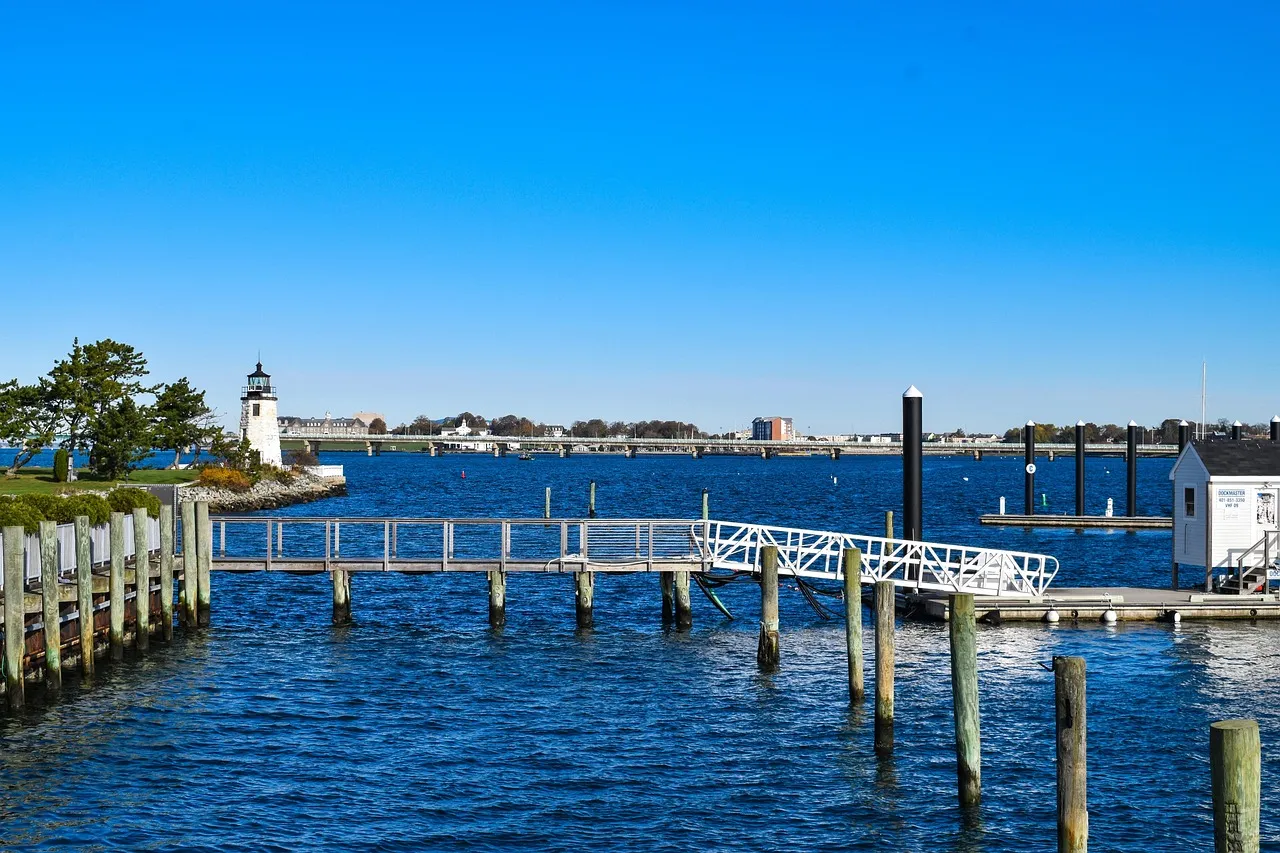




Historical Prevalence of Lead Lines in Rhode Island
Rhode Island, like many other older regions in the United States, has a history of using lead pipes for water distribution systems.
By Jess Powers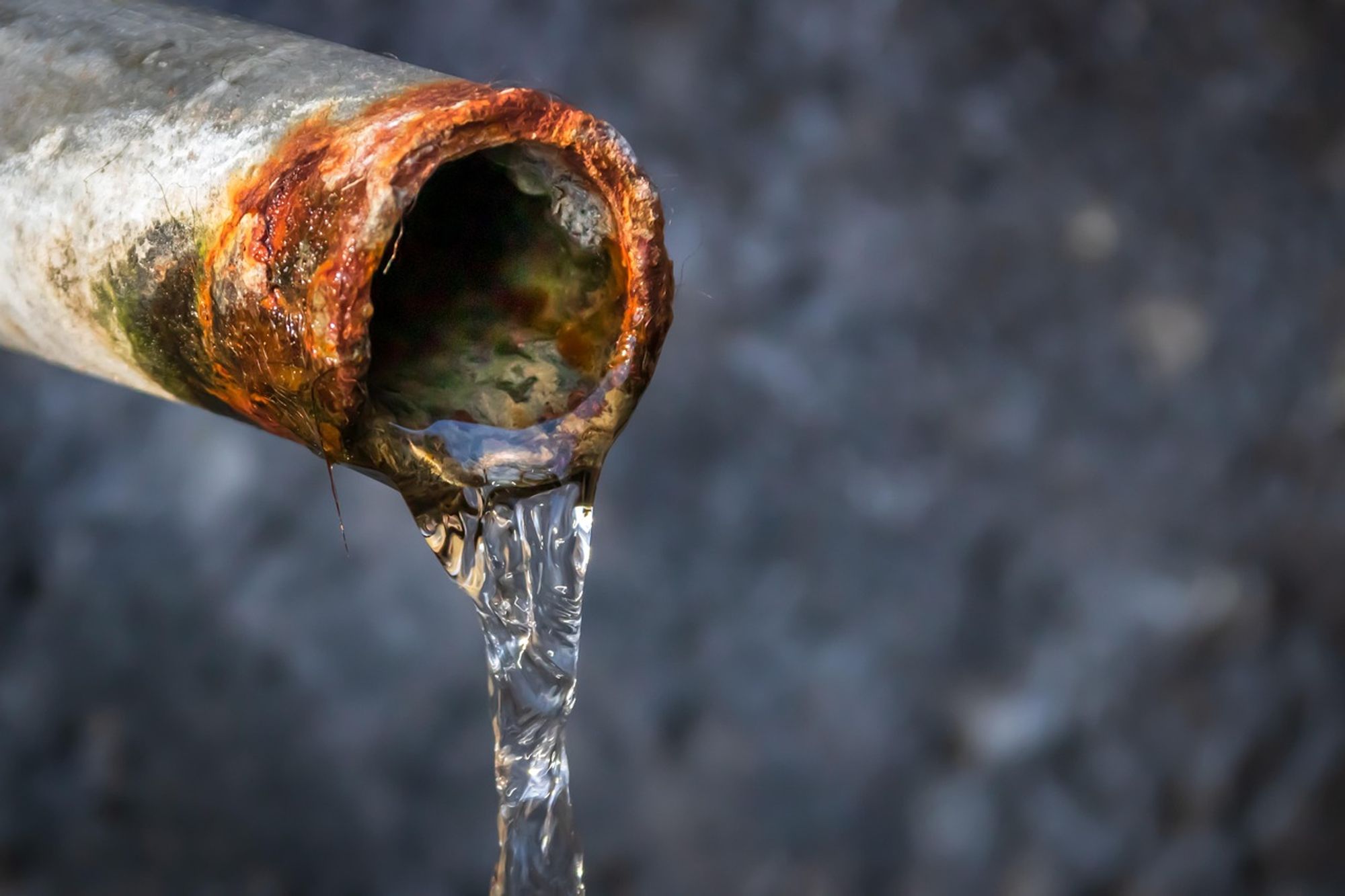
Rhode Island, like many other older regions in the United States, has a history of using lead pipes for water distribution systems. The prevalence of lead lines in Rhode Island can be attributed to its older housing stock and infrastructure:
- Age of Buildings: Many buildings in Rhode Island were constructed before the 20th century when lead pipes were commonly used. As a result, a significant portion of the state's housing stock was initially equipped with lead service lines.
- Infrastructure Age: Public water systems in Rhode Island have pipelines that can be decades or even centuries old. In the past, lead pipes were used for both residential and municipal water distribution systems.
- Urban Areas: Older urban areas in Rhode Island, such as Providence and Newport, have a higher likelihood of having lead service lines due to their historical development.
Efforts have been made to replace lead lines with safer materials, such as copper and plastic, to eliminate the risks associated with lead exposure. Government agencies and water utilities have been actively working to identify and replace lead service lines to protect public health. In the 2023 legislative session, several updates to the 2005 Lead Mitigation Law were enacted, including a provision to tackle the problem of lead water lines.
The Significance of Water Service Line Inspections
Water service lines are a vital component of any property, providing clean and safe drinking water to residents. However, in older properties, these lines may contain lead, posing potential health risks.
Why Water Authorities Must Inspect
Historically, lead pipes were used in plumbing systems due to several factors:
- Durability: Lead is a malleable and corrosion-resistant metal, making it an attractive choice for plumbing.
- Ease of Installation: Lead pipes were relatively easy to work with, which contributed to their widespread use.
- Sealing Properties: Lead has the unique property of self-sealing, which helped mitigate small leaks over time.
- Affordability: Lead was readily available and relatively affordable compared to other materials.
As we now know, the use of lead pipes poses significant health risks, especially when it came to drinking water. It’s especially harmful to children and pregnant women.
Notifying Property Owners and Tenants
Once an inspection reveals lead content in water service lines, water authorities are obligated to notify both property owners and tenants. This notification is a crucial step in ensuring transparency and allowing residents to take appropriate precautions.
Efforts to Replace Lead Service Lines
Rhode Island is actively addressing the issue of lead service lines through legislative measures. The state has enacted an important lead water supply inventory and replacement program:
- Lead Service Line Inventory: Water suppliers are required to develop a comprehensive service line inventory by no later than October 16, 2024. This inventory will identify properties with lead service lines, contributing to transparency.
- Reimbursement for Financing: Water suppliers that provided financing to customers for private side lead service replacement after January 1, 2018, may be eligible for reimbursement from the state for costs associated with these replacements. This initiative aims to incentivize lead service line replacement.
- Tenant and Buyer Disclosure: There is a requirement for disclosure to tenants and buyers of real property about the presence of lead service lines. This ensures that individuals are aware of potential lead hazards in the properties they occupy or purchase.
- Replacement Timeline: Contingent upon funding, each water supplier is mandated to complete the replacement of all public and private lead service lines within its service area within ten (10) years. This proactive approach aims to eliminate lead service lines and the associated health risks.
Consequences for Non-Cooperation
Rhode Island's lead laws emphasize the importance of cooperation from landlords and property owners with water service line inspections and replacements. Failure to cooperate can have serious consequences, including legal penalties and potential termination of leases.
Tenant's Right to Terminate Lease
If a landlord fails to cooperate with the water authority's inspection or does not allow the necessary corrective measures to be taken for lead in water service lines, tenants have the right to take action. They can terminate the lease without penalty. This provision is in place to protect the health and safety of tenants.
Legal Penalties for Non-Cooperation
Landlords who do not cooperate with water service line inspections or hinder the replacement of lead-containing lines may face legal penalties. These penalties are in place to enforce compliance with lead safety regulations and protect the well-being of residents.
Understanding the historical prevalence of lead lines, the legislative efforts to address them, and the importance of water service line inspections is crucial for landlords and property owners in Rhode Island. These inspections and replacements are essential for providing clean and lead-free drinking water, safeguarding public health, and complying with lead safety regulations. It's crucial to choose the appropriate inspection type based on your property's characteristics and needs.

Rhode Island Realtor and broker with Real Broker LLC. 15 years helping buyers, sellers and relocating families across RI, Southern Massachusetts and Eastern Connecticut.